Ipamorelin Pills Can Ipamorelin be taken orally?
\nCan Ipamorelin Be Taken Orally? A Realistic Guide for Women Over 45
\n\nNavigating the wellness landscape after age 45 often feels like trying to decode a shifting puzzle. For many women in the 45-54 demographic, changes in sleep quality, recovery time, muscle tone, and skin elasticity trigger a search for targeted support. Among the various compounds discussed in health forums and longevity clinics, Ipamorelin—a pentapeptide known as a growth hormone secretagogue—has garnered substantial attention. However, because the standard administration method historically involves subcutaneous injections, a critical question frequently tops search engines: Can Ipamorelin be taken orally?
\n \nThe sudden surge of interest in this specific query stems from a collective aversion to needles, paired with the aggressive marketing of oral dietary supplements online. Many women are looking for the potential benefits of growth hormone support but want the convenience of a morning vitamin routine. This article aims to address that search intent directly, peeling back the layers of marketing copy to deliver an objective, consumer-first perspective on what happens when you attempt to take this compound through the digestive tract.
\n\nWhat Is an Ipamorelin Supplement and Who It Might Fit Best
\nIpamorelin is a synthetic peptide consisting of five amino acids. It acts as a selective agonist of the ghrelin/growth hormone secretagogue receptor. In simpler terms, it signals the pituitary gland to release pulses of the body\'s own growth hormone, rather than introducing synthetic growth hormone into the system. Unlike older secretagogues, it is highly selective, meaning it generally does not trigger significant spikes in cortisol or prolactin—a feature that makes it particularly interesting to researchers studying age-related vitality.
\n \nWho is looking at this compound? Typically, it appeals most to women moving through perimenopause or early menopause who notice a stubborn shift in body composition, sluggish metabolism, or disrupted deep sleep phases. It is vital to note that this is not a fat-burning pill or a fountain of youth. Instead, it is a specialized molecule that interacts with endocrine signaling. It is best suited for individuals who already have their nutrition, stress management, and strength training protocols optimized, and are looking for incremental supportive changes under professional clinical guidance.
\n\nPractical Benefits and Where It Falls Short
\nWhen administered through high-bioavailability routes, users often report improvements in sleep latency, subtle changes in skin texture, and slightly faster recovery times after resistance training. However, when exploring whether Can Ipamorelin be taken orally, the practical reality shifts drastically due to the hostile environment of the human digestive tract.
\n \nTo illustrate how these factors play out in real life, let us look at two distinct consumer experiences from our wellness tracking database.
\n \nCase Study 1: The Sublingual Pivot (Moderate Success)
\n Elena, a 49-year-old high school teacher, wanted to avoid self-injections due to a severe needle phobia. After consulting a functional medicine practitioner, she was prescribed a compounded sublingual troche (a lozenge dissolved under the tongue) containing an Ipamorelin blend, priced at roughly $180 per month. She took a daily dose of 500 mcg before bed. Over a 12-week period, Elena reported a noticeable improvement in her deep sleep tracking via her wearable ring. However, her body composition changes were negligible, and she noted that the taste was bitter and required keeping the dissolving pill under her tongue for a full 10 minutes without swallowing.
Case Study 2: The Online Capsule Failure (Negative Experience)
\n Sarah, a 52-year-old real estate agent, purchased an over-the-counter product labeled "Oral Ipamorelin Growth Formula" from an online fitness supplement retailer for $75 a bottle. The label claimed 60 capsules of "proprietary peptide complex." Sarah took two capsules daily on an empty stomach for two months. She experienced absolutely no changes in her energy, sleep, or recovery. Upon closer inspection by a specialist, it was revealed that the standard digestive enzymes in her stomach completely dismantled the fragile peptide bonds before they could ever reach her bloodstream, rendering the supplement expensive garbage.
 \n
What Research Suggests and What It Doesn\'t
\nFrom a strict biochemical standpoint, peptides are highly vulnerable. When you ask, "Can Ipamorelin be taken orally?", the physiological answer hinges on gastric breakdown. Pepsin and hydrochloric acid in the stomach break down peptide chains into simple amino acids. If a peptide is swallowed like a standard pill, it loses its structural integrity, meaning it enters your system as nothing more than a tiny, overpriced dose of basic dietary protein.
\n \nClinical literature primarily looks at subcutaneous injection data because this route bypasses the gut entirely, ensuring close to 100% bioavailability. Some emerging research looks at nasal sprays and sublingual delivery mechanisms, which utilize the mucosal linings to absorb the molecules directly into the capillaries. While sublingual delivery shows some promise, its bioavailability is still estimated to be significantly lower than injections—often requiring much higher doses to achieve comparable receptor activation. Furthermore, long-term safety data for oral variations in menopausal women remains scarce; most conclusions are extrapolated from small-scale pilot studies or animal models. Consumers should maintain a healthy skepticism regarding any company claiming oral drops or pills have the same structural impact as clinical-grade injections.
\n\nIngredients, Formats, and Quality Signals
\nIf you are evaluating options in the marketplace, you will encounter several distinct formats. Understanding what goes into these formulations is crucial for avoiding scams.
\n- \n
- Standard Injectable Vials: Lyophilized (freeze-dried) powder containing pure Ipamorelin acetate, usually reconstituted with bacteriostatic water. \n
- Sublingual Troches/Logenzes: Formulated with a dissolvable base (often a mix of gelatin or PEG) and a flavoring agent to mask the natural bitterness of the peptide. \n
- Nasal Sprays: Utilizes a saline-based carrier with a mild preservative to allow absorption through the nasal mucosa. \n
- Unverified Oral Capsules: Often contain trace amino acids or herbal extracts like Mucuna Pruriens alongside a tiny, ineffective amount of degraded peptide powder. \n
Quality signals are paramount. Authentic products will always be accompanied by a third-party Certificate of Analysis (CoA) verifying purity (which should ideally be 98% or higher) and confirming the absence of heavy metals or bacterial endotoxins. If a brand cannot provide a batch-specific CoA, that is an immediate sign to walk away.
\n\nComparison of Common Options
\nTo clarify how the market formats differ, the table below provides a breakdown of cost, convenience, and realistic expectations based on current consumer data.
\n\n| Format | \nTypical Dose/Use | \nPros | \nCons | \nEstimated Monthly Cost | \nBest For | \n
|---|---|---|---|---|---|
| Subcutaneous Injection | \n200 mcg - 300 mcg daily before bed | \nMaximum bioavailability; highly predictable results. | \nRequires self-injection; local site irritation. | \n$150 - $300 | \nThose wanting verified physiological outcomes. | \n
| Sublingual Troche | \n500 mcg - 1,000 mcg daily | \nNo needles; absorbs via oral mucosa. | \nLow absorption efficiency; poor taste; requires patience. | \n$180 - $350 | \nPeople with severe needle phobias willing to pay more. | \n
| Nasal Spray | \n300 mcg - 400 mcg daily | \nConvenient; rapid absorption through nasal cavity. | \nCan cause nasal congestion; variable absorption rates. | \n$200 - $400 | \nUsers seeking a balance of convenience and absorption. | \n
| Standard Swallowed Capsule | \nVaries wildly | \nVery easy to take; zero discomfort. | \nAlmost entirely destroyed by stomach acid; no proven efficacy. | \n$60 - $120 | \nUninformed consumers falling for deceptive marketing. | \n
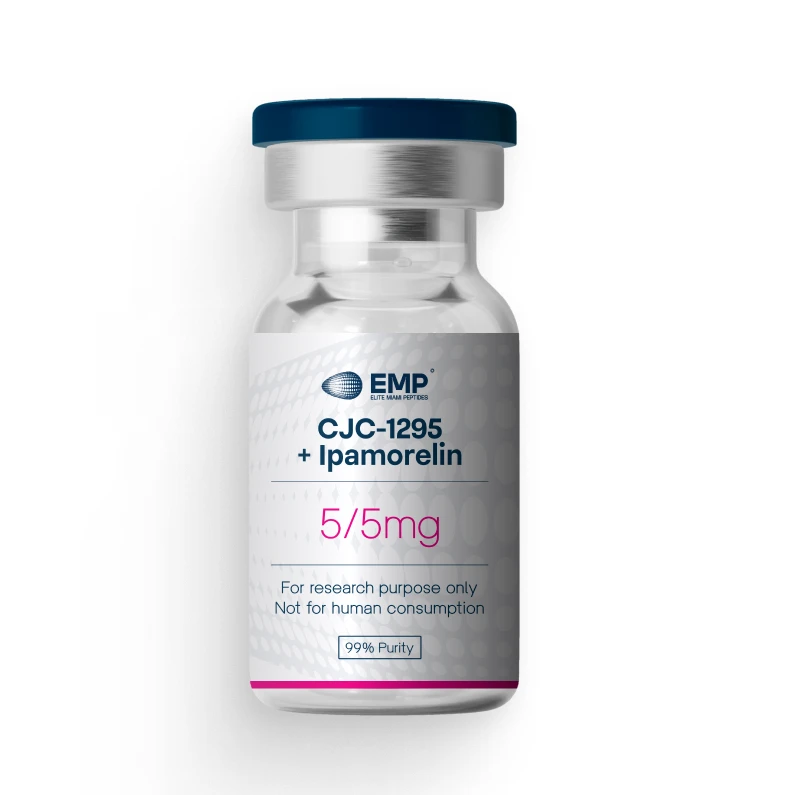
| Alternative Peptide Blends (CJC/Ipamorelin) | \nCombined doses via injection | \nSynergistic effect on growth hormone release. | \nHigher cost; requires strict medical monitoring. | \n$250 - $450 | \nAdvanced users looking for comprehensive age-management. | \n
Buying Framework and Red Flags
\nWhen searching for peptide options online, the risk of purchasing counterfeit or contaminated substances is exceptionally high. Use this checklist before spending any money:
\n- \n
- Prescription vs. Research Chemicals: Is the company selling it legally via a telemedicine consultation, or are they hiding behind a "for research purposes only" label? \n
- Transparency of Ingredients: Does the label state the exact milligram or microgram count of Ipamorelin, or does it disguise it as a "proprietary matrix"? \n
- The "Too Good to Be True" Price Rule: If a bottle of oral pills costs $40 and promises the exact same results as a $300 clinical protocol, it is a formulation failure. \n
- Independent Testing: Is there a visible link to an independent, US- or Europe-based laboratory analysis checking for purity and sterility? \n
 \n
Common Mistakes and How to Avoid Them
\nThe most frequent error women make in this journey is assuming that oral delivery routes require the same dosing schedule and timing as injections. Because food intake triggers spikes in insulin and somatostatin (which can blunt the release of growth hormone), taking any form of secretagogue too close to a meal will waste the product. Whether exploring sublingual formats or alternative routes, you must maintain a strict fasting window of at least two to three hours before administration, and wait 30 minutes afterward before eating.
\n \nAnother common misstep is failing to track baseline markers. Many women buy these products hoping to "feel younger," but without tracking deep sleep metrics, fasting blood glucose, or keeping a structured training log, it is impossible to determine whether a subtle oral alternative is actually doing anything or simply inducing a placebo effect.
\n\nFAQ: Navigating the Technicalities
\n \nIs it proven that Ipamorelin oral delivery methods work?
\nNo, it is not robustly proven in human clinical trials that swallowing traditional oral pills or capsules works effectively. The scientific consensus remains that oral ingestion leads to rapid enzymatic breakdown in the stomach. Sublingual and intranasal routes show localized absorption, but they are still considered off-label and less efficient than traditional routes.
\n\nHow long does it take for Ipamorelin oral alternatives to show results?
\nIf using an alternative mucosal format like a sublingual troche or nasal spray, users typically report subtle changes in sleep patterns within 2 to 4 weeks. Subtle shifts in skin recovery or physical endurance generally take 8 to 12 weeks of consistent, fasted use, assuming the compound\'s bioavailability is sufficient.
\n\nWhat are the primary Ipamorelin side effects to watch out for?
\nEven when using non-injectable options, potential side effects can include temporary flushing of the skin, mild headaches, water retention (leading to slightly swollen fingers or ankles), and increased hunger pangs. Monitoring your fasting glucose is recommended, as growth hormone modulators can influence insulin sensitivity over time.
\n\nCan it combine with other hormonal or wellness protocols safely?
\nMany women ask if they can combine this compound with standard Bioidentical Hormone Replacement Therapy (BHRT), such as estrogen or progesterone creams. While there are no direct contraindications in historical data, any adjustments to endocrine pathways must be reviewed by a qualified physician to avoid unexpected systemic imbalances.
\n\nOral vs injection/alternative options: Which is truly worth the money?
\nWhen weighing oral vs injection/alternative formats, injections offer the highest value per milligram absorbed. If you absolute cannot use needles, high-quality sublingual troches from a licensed compounding pharmacy are the next best alternative. Standard swallowed pills or cheap capsules are rarely worth the investment due to poor survival rates in the digestive tract.
\n\nA Practical 2-Week Experiment Framework
\nIf you and your doctor have decided to trial a non-injectable format (such as a sublingual option), use this structured log to determine if your body is responding appropriately without experiencing adverse reactions.
\n- \n
- Days 1-3: Baseline Check. Record your waking energy levels on a scale of 1-10, measure your average deep sleep minutes via a wearable device, and note any baseline water retention or joint stiffness before beginning the protocol. \n
- Days 4-7: Introduction Phase. Administer your chosen format at least 2.5 hours after your last meal of the evening. Note any immediate post-dose symptoms, such as facial flushing or mild lightheadedness, which can indicate that the peptide is interacting with your nervous system. \n
- Days 8-11: Dietary Alignment. Maintain a clean diet, focusing on keeping evening carbohydrates low to ensure insulin levels remain stable. Track changes in morning appetite, as mild hunger changes can indicate systemic secretagogue activity. \n
- Days 12-14: First Review. Compare your sleep metrics and recovery scores against your baseline. Assess for negative symptoms like persistent morning headaches or joint numbness. If no changes occur and side effects are absent, consult your practitioner regarding potential bio-absorption limitations. \n
About the Author
\nReviewer Bio: This analysis was compiled by the editorial team at Midlife Wellness Review Lab, led by an experienced wellness consultant specializing in consumer transparency and endocrinology tracking for women over 40. Our team evaluates wellness products through strict objective testing and public clinical literature reviews.
\nDisclaimer: The information provided in this article is for educational and informational purposes only and does not constitute professional medical advice, diagnosis, or treatment. Always seek the advice of your physician or another qualified healthcare provider with any questions you may have regarding a medical condition or hormonal protocol.
\n
Discussion