Cjc1295 Ipamorelin Benefits Does Ipamorelin reduce belly fat?
\nDoes Ipamorelin Reduce Belly Fat? A Realistic Review for Women in Their 40s and 50s
\n\nIf you are a woman between the ages of 45 and 54, you may have noticed a frustrating metabolic shift. Exercises and dietary habits that kept your waistline trim in your thirties suddenly seem completely ineffective. As estrogen levels drop during perimenopause and menopause, body fat distribution naturally migrates toward the abdomen. Deep visceral fat accumulates around internal organs, creating a stubborn "midlife bulge" that feels resistant to conventional calorie restriction.
\n\nIn search of targeted solutions, many women encounter growth hormone secretagogues (GHS) in wellness clinics and biohacking communities. One peptide repeatedly surfaces in these discussions: Ipamorelin. Proponents suggest it restores youthful hormone signaling to encourage metabolic efficiency. But does Ipamorelin reduce belly fat in a noticeable, sustainable way, or is it merely another expensive trend wrapped in clinical jargon? This review cuts through marketing claims to evaluate Ipamorelin objectively, examining real-world usage, scientific context, potential downsides, and financial realities.
\n\nWhat Ipamorelin Is and Who It Might Fit Best
\n\nIpamorelin is a synthetic pentapeptide (consisting of five amino acids) classified as a Growth Hormone Releasing Peptide (GHRP). Unlike synthetic Human Growth Hormone (HGH)—which directly floods the bloodstream with exogenous hormone—Ipamorelin works by mimicking ghrelin and binding to the growth hormone secretagogue receptor (GHS-R1a) in the pituitary gland. This action signals your body to secrete its own natural pulse of growth hormone (GH).
\n\nWhat sets Ipamorelin apart from older peptides like GHRP-2 or GHRP-6 is its high selectivity. It triggers GH release without significantly elevating secondary hormones like cortisol (the stress hormone) or prolactin. Furthermore, while ghrelin receptors often stimulate intense hunger, Ipamorelin causes minimal appetite stimulation in most individuals.
\n\nThis compound may be worth considering for women aged 45–54 who meet specific criteria:
\n- \n
- Experiencing age-related growth hormone decline: Natural GH levels decline steadily after age 30, reducing the body\'s natural capacity for lipolysis (fat breakdown) and lean muscle maintenance. \n
- Committed to solid foundational habits: It is best suited for those who already engage in regular resistance training, prioritize sleep, and eat a nutrient-dense, protein-adequate diet. \n
- Seeking gradual body re-composition: Individuals looking for subtle improvements in lean muscle tone, skin elasticity, and modest visceral fat reduction rather than rapid weight loss on the scale. \n
Practical Benefits and Where It Falls Short
\n\nWhen evaluating whether Ipamorelin can reduce stubborn belly fat, it is essential to distinguish between overall scale weight and body composition. Growth hormone plays a key role in mobilizing stored fatty acids—particularly from visceral adipose tissue, which has a high density of GH receptors. However, user experiences reveal that outcomes vary widely depending on personal biochemistry, dosage, lifestyle, and concomitant hormone levels.
\n\nSarah, a 49-year-old accountant undergoing perimenopause, noticed her waist measurement increasing despite maintaining a 1,600-calorie Mediterranean diet and lifting weights three times a week. Under medical supervision, she started a 12-week subcutaneous protocol of Ipamorelin combined with CJC-1295 (100mcg/100mcg nightly, 5 days on / 2 days off). Cost: approximately $320 per month. By week four, she reported deeper sleep and faster muscle recovery after workouts. By week twelve, her weight had dropped only 3 pounds, but her waist circumference decreased by 1.2 inches, and dual-energy X-ray absorptiometry (DEXA) scanning showed a minor decrease in visceral fat volume. For Sarah, the peptide served as a modest metabolic accelerator alongside her existing routine.
\nKaren, 52, purchased an online peptide protocol hoping to reverse menopause-related belly fat without altering her sedentary routine or poor sleep habits. She spent $850 over three months on compounding pharmacy preparations. Throughout the protocol, Karen experienced persistent mild fluid retention, slight morning finger swelling, and zero reduction in waist size. Her primary underlying issues—unmanaged hypothyroidism and elevated baseline cortisol—were never addressed. The peptide failed to produce visible results because her broader metabolic environment was unsupportive.
\n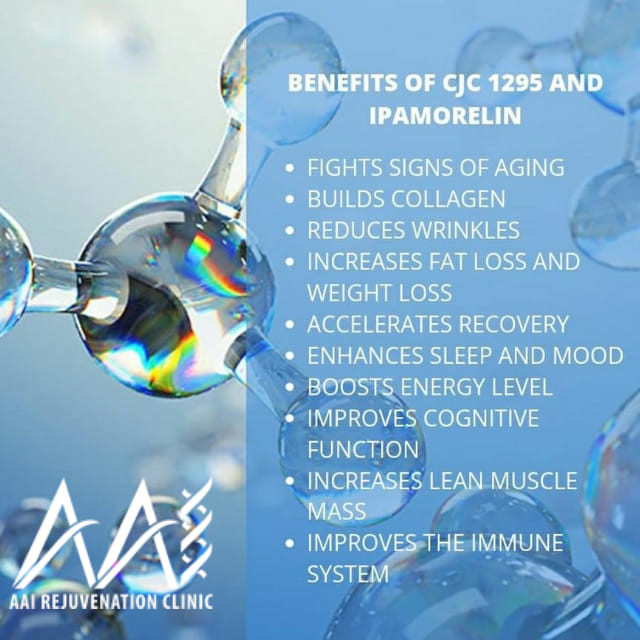 \n
What Research Suggests and What It Doesn\'t
\n\nTo evaluate whether Ipamorelin reduces midsection lipid accumulation, we must look at the available scientific data while acknowledging its limitations.
\n\nWhat the evidence supports: Early clinical trials on growth hormone secretagogues demonstrate that restoring physiological GH pulses increases circulating IGF-1 (Insulin-like Growth Factor 1) levels. IGF-1 facilitates lipid mobilization and supports protein synthesis in skeletal muscle. Studies on growth hormone administration in postmenopausal women consistently show decreases in abdominal visceral fat tissue alongside slight increases in lean body mass.
\n\nWhat the evidence does not support: There are no large-scale, long-term Phase III clinical trials evaluating standalone Ipamorelin exclusively for cosmetic weight loss in healthy 50-year-old women. Most peer-reviewed literature on Ipamorelin focuses on post-operative ileus recovery or pediatric growth hormone deficiencies. Extending these mechanisms to target specific fat pads (spot reduction) is scientifically inaccurate. Ipamorelin does not specifically target belly fat; rather, it elevates overall GH signaling, which systemic metabolism utilizes wherever receptor sensitivity is highest (which happens to include visceral fat depots).
\n\nKey Limitations and Risks:
\n- \n
- Insulin Sensitivity: While milder than direct HGH, growth hormone elevation can transiently reduce peripheral insulin sensitivity in some individuals. \n
- Water Retention: Transient fluid buildup in subcutaneous tissues can initially mask fat loss on the scale. \n
- Overpromised Results: Peptides cannot override a high-caloric diet, chronic stress, or unmanaged estrogen depletion. \n
Ingredients, Formats, and Quality Signals
\n\nWhen discussing growth hormone secretagogues for belly fat reduction, formulation and administration routes matter significantly.
\n\nSubcutaneous Injections (Gold Standard): Injectable peptide solutions (typically lyophylized powder reconstituted with bacteriostatic water) remain the primary clinically validated delivery method. Peptides are fragile chains of amino acids; subcutaneous delivery bypasses the digestive tract to ensure bio-availability.
\n\nOral Troches, Capsules, and Nasal Sprays: Many wellness vendors advertise oral tablets or sublingual drops containing Ipamorelin. Consumers should exercise extreme caution here. Large peptide molecules break down rapidly in stomach acid and enzymatic environments, yielding extremely poor oral bioavailability (often under 2-3%). Unless engineered with complex liposomal or protective transport technologies, oral forms often yield disappointing results.
\n\nSynergistic Formulations: Ipamorelin is frequently paired with CJC-1295 (a GHRH analog). While CJC-1295 extends the duration of growth hormone release, Ipamorelin stimulates the initial pulse. Combining them creates a synergistic effect that many practitioners favor for body re-composition protocols.
\n\nComparison of Common Options
\n\nWhen women in their late 40s and 50s evaluate methods to target stubborn midsection fat, growth hormone secretagogues are just one option among several medical and lifestyle routes. Below is a structured comparison of typical protocols available on the market today.
\n\n| Format | \nTypical Dose/Use | \nPros | \nCons | \nCost | \nBest For | \n
|---|---|---|---|---|---|
| Injectable Ipamorelin + CJC-1295 | \n100–300 mcg daily (subcutaneous injection before bed) | \nPreserves muscle; targets visceral fat; gentle hormone pulse without cortisol spikes | \nRequires daily self-injections; modest fat loss; requires 3–6 months | \n$250 – $450 / month | \nActive women with mild GH decline seeking subtle body re-composition | \n
| GLP-1 Receptor Agonists (e.g., Semaglutide) | \nWeekly injection (escalating clinical dose) | \nSignificant, rapid total body fat reduction; strong appetite suppression | \nPotential muscle loss; GI side effects; rebound weight gain risk after stopping | \n$800 – $1,300 / month (uninsured) | \nIndividuals needing substantial overall weight loss and metabolic resetting | \n
| Bioidentical HRT (Estrogen/Progesterone) | \nDaily transdermal patch/cream + oral capsule | \nDirectly addresses root menopause symptoms; improves fat distribution | \nRequires careful blood monitoring; not primarily designed for fat loss | \n$50 – $150 / month | \nWomen experiencing severe perimenopausal symptoms and central adiposity | \n
| Oral Peptide Formulations | \nDaily sublingual capsule or liquid drops | \nNo needles required; convenient for travel | \nVery poor gastrointestinal absorption; questionable real-world efficacy | \n$100 – $200 / month | \nConsumers averse to injections (though results remain questionable) | \n
| Resistance Training + High-Protein Diet | \n3–4 days/week strength training; 1.2–1.6g protein/kg body weight | \nZero medical risk; improves bone density; sustainable lifelong habit | \nSlower visible progress; requires consistent effort and physical energy | \n$0 – $100 / month (gym fee) | \nAll women as a necessary foundation before adding medical therapies | \n
Buying Framework and Red Flags
\n\nNavigating the peptide marketplace can be hazardous. The internet is filled with unregulated "research chemical" sites that sell non-sterile, improperly dosed powders. If you choose to explore whether Ipamorelin can help reduce belly fat under professional supervision, use this safety checklist to evaluate vendors and providers.
\n\nProvider & Quality Checklist
\n- \n
- ✔ Medical Supervision: Obtained via a licensed physician, endocrinologist, or hormone specialist following comprehensive blood work (including IGF-1, fasting insulin, HbA1c, thyroid panel, and lipid panel). \n
- ✔ Legitimate Pharmacy Sourcing: Compounded by an accredited 503A or 503B compounding pharmacy in your jurisdiction, requiring a valid prescription. \n
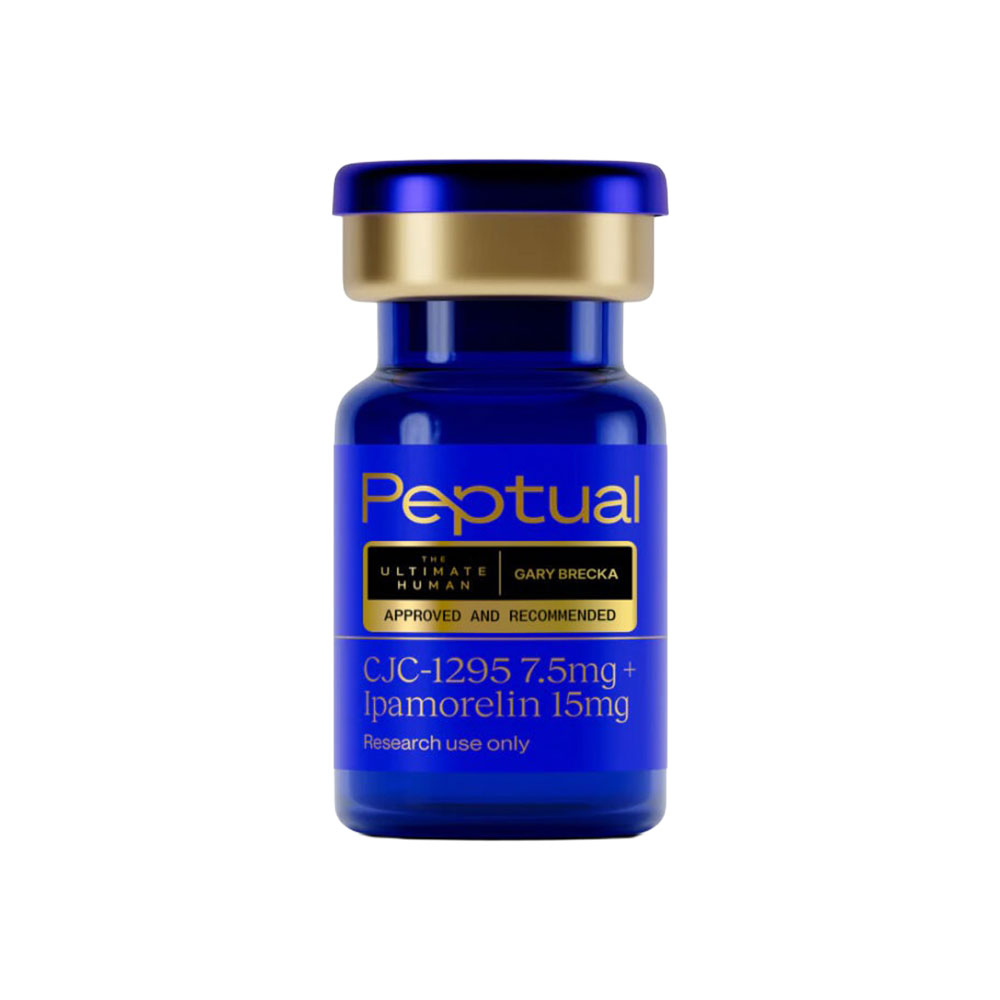
- ✔ Batch Testing / Certificate of Analysis (CoA): Independent third-party testing confirming peptide purity (≥98%) and freedom from heavy metals or endotoxins. \n
- ✔ Clear Reconstitution Guidelines: Comes with sterile bacteriostatic water, alcohol wipes, and correct insulin syringes with explicit instructions. \n
Red Flags to Avoid:
\n- \n
- "For Research Chemical / Not for Human Consumption" Labels: Websites using this legal loophole sell unregulated industrial chemicals lacking medical-grade sterility standards. \n
- Miracle Fat Loss Claims: Any vendor claiming Ipamorelin will "melt away 15 pounds of belly fat in 30 days without exercise" is engaging in predatory marketing. \n
- Premixed Liquid Formulations in the Mail: Peptides degrade rapidly once reconstituted in water unless kept strictly cold and stabilized. Reconstituted peptides shipped without cold packs are likely degraded. \n
 \n
Common Mistakes and How to Avoid Them
\n\nWhen midlife women try peptide protocols to address waistline increases, several predictable mistakes can compromise results or cause unnecessary side effects:
\n\n- \n
- Injecting Immediately After Eating: High circulating blood glucose and insulin levels significantly blunt natural growth hormone secretion. Solution: Administer Ipamorelin at least 2 to 3 hours after your last meal (ideally right before bedtime). \n
- Ignoring Baseline Hormone Deficiencies: Expecting Ipamorelin to fix midsection fat while ignoring low thyroid function, severe progesterone drop, or elevated cortisol is ineffective. Solution: Complete a comprehensive hormonal assessment before starting. \n
- Neglecting Progressive Resistance Exercise: Growth hormone secretagogues support tissue repair and lean mass preservation. Without strength training stimulus, the body has limited signaling incentive to build muscle tissue and burn fat. Solution: Pair therapy with 3 days of progressive weightlifting weekly. \n
- Expecting GLP-1 Level Scale Drop: Expecting Ipamorelin to act like a heavy appetite suppressant or drastic weight loss drug leads to premature discontinuation. Solution: Measure waist circumference, skinfold thickness, and energy levels rather than relying solely on the scale. \n
FAQ
\n\nIs Ipamorelin proven to burn abdominal fat in women?
\nIpamorelin is not officially FDA-approved specifically for cosmetic belly fat removal. However, clinical understanding of growth hormone mechanisms shows that increasing endogenous GH pulses enhances lipolysis (fat breakdown) systemic-wide, particularly in visceral fat tissue rich in GH receptors. Results depend heavily on baseline hormone levels, diet, and training routine.
\n\nHow long does Ipamorelin take to notice waistline changes?
\nIpamorelin is a slow, physiological intervention. While subtle improvements in sleep quality and workout recovery may appear within 2 to 4 weeks, visible changes in body composition or waist circumference typically require 3 to 6 months of continuous, compliant use alongside consistent resistance training and calorie control.
\n\nWhat side effects should women in their 40s and 50s watch out for?
\nCommon mild side effects include temporary water retention (bloating), mild headache upon administration, slight joint stiffness, and localized redness or itching at the subcutaneous injection site. Because growth hormone can alter insulin dynamics, periodic monitoring of fasting blood glucose and HbA1c is recommended.
\n\nCan Ipamorelin combine with CJC-1295 or HRT for targeted fat loss?
\nYes, medical providers frequently prescribe Ipamorelin in combination with CJC-1295, as the two peptides target different receptors in the pituitary gland for a synergistic growth hormone pulse. Many peri/postmenopausal women also utilize bioidentical HRT alongside peptide protocols under physician guidance to balance estrogen and progesterone levels simultaneously.
\n\nAre oral Ipamorelin alternatives as effective as subcutaneous injections?
\nGenerally, no. As an amino acid chain, Ipamorelin is easily broken down by digestive enzymes in the stomach and gut lining. Oral capsules or drops typically demonstrate poor bioavailability compared to subcutaneous injections. Injectable forms remain the standard choice in clinical wellness settings.
\n\nA Practical 2-Week Experiment Framework
\n\nIf you and your healthcare provider decide to trial an Ipamorelin protocol to see if it aids your body re-composition goals, executing a controlled evaluation period helps establish baseline safety and tolerance.
\n\n- \n
- Days 1–3 (Tolerance Check): Begin with a low evening dose (e.g., 100mcg) administered subcutaneously at least two hours after dinner. Monitor for immediate reactions such as dizziness, flushing, or site irritation. \n
- Days 4–7 (Adjustment & Sleep Tracking): Observe subjective markers such as deep sleep duration, morning water retention, and waking energy. Adjust injection timing so it occurs immediately before sleep. \n
- Days 8–14 (Protocol Baseline): Track morning resting blood glucose, fluid balance, and recovery recovery times following workouts. Record baseline measurements: weight, waist-to-hip ratio, and photographs under consistent lighting. \n
At the end of two weeks, evaluate whether acute side effects (like excessive bloating) have normalized. Remember that two weeks is insufficient to evaluate actual visceral fat loss, but it establishes whether your body tolerates the therapy comfortably before committing to a 12-to-24-week protocol.
\n\n \n
Discussion